
Begin your journey into the land of the headhunters — where Naga warriors, Ang chiefs, and colourful tribes await. This 13-night adventure takes you from the WWII memorials of Kohima to the green conservation village of Khonoma. Travel through Wokha — home of the Lotha Nagas — and into the heart of Ao Naga territory at Mokokchung, where Longkhum's rhododendrons and Ungma's ancient traditions await. Cross into Arunachal Pradesh's Ziro Valley to meet the tattooed Apatanis, explore the Ahom Dynasty temples of Sibsagar, the world's largest river island Majuli, and conclude with wildlife safaris at Kaziranga National Park — home to the world's largest population of one-horned rhinoceroses.


- Arrive at Dimapur Airport — greeted by your tour guide
- Take a short walk in the Dimapur market — there is nothing quite like the sensory experience of a trip to a local market; the sights, sounds and smells give visitors a glimpse into how the locals live and interact in everyday life
- Lunch at a local restaurant in Dimapur town
- Proceed towards Kohima — land of the Angami Naga tribe, located at an average elevation of 1,261 m
- The name "Kohima" was given by the British who could not pronounce the Angami name Kewhima (Tenyidie for "the land where the flower Kewhi grows")
- The town of Kohima is located on the top of a high ridge, serpentining along the mountain ranges as is typical of most Naga settlements
- Check into hotel; overnight in Kohima
- Visit the 2nd World War Cemetery — constructed in memory of the officers and men who made supreme sacrifices during WWII. On each grave are beautiful epitaphs engraved in bronze. The famous inscription reads: "When You Go Home, Tell Them of Us and Say, For Your Tomorrow We Gave Our Today."
- Kohima State Museum — exhibits the vibrant culture of Nagaland through a collection of fascinating arts and artifacts. It brings to limelight the culture of Nagas and their evolution through stages. (Closed on Monday and government holidays)
- Khonoma (20 km / 1 hr) — the first green village of Nagaland, estimated roughly 700 years old, spread over 123 sq km with 600 households. Known for its rich flora and fauna, unique terranced cultivation, and the endangered Blyth's tragopan pheasant. The Angami men of Khonoma famously resisted British rule from 1830 to 1880, inflicting heavy casualties.
- Touphema (40 km from Kohima) — a little Angami village that has preserved its ancient tribal traditions and has been declared a Tourist Village by the state government. Houses a recently refurbished museum with wood carvings, musical instruments, textiles, handicrafts, and jewellery. Guests can also take a guided walk in nearby villages.
- Overnight in Kohima

- Set off towards Mokokchung, stopping at Wokha — the district headquarters of the Lotha Nagas, famed for their splendid colourful dancing and singing
- Explore some of the villages inhabited by the Lotha Nagas
- Proceed to Mokokchung — the cultural capital of the Ao Nagas
- The Ao tradition gives an account of their origin from 'Longtrok' (six stones), from which emerged six persons who came to be the progenitors of the Aos. The first settlement known to the tribe is Chungliyimti village.
- There are two divisions of the Ao tribe — the Mongsen and the Chungli — who speak different dialects and have minor differences in customs. The Aos have Mongoloid features and villages are generally built on the highest hills and fortified for defence.
- The Ao celebrate two premier agricultural festivals: Moatsü (sowing festival, first week of May) and Tsüngremmung (harvest festival, first week of August)
- Overnight in Mokokchung
- Visit Longkhum — to witness the magnificent rhododendrons atop the hillocks. A single visit to this place is not enough.
- Visit Ungma village — the second largest village in Nagaland and the oldest and largest of the Ao tribe. Believed to be the birthplace of the Ao tribe, the natives have taken extra precautions to preserve Ao culture and tradition.
- Overnight in Mokokchung
- Drive to Nagaland's tribal destination — Mon
- The district of Mon is home to the Konyak Nagas, by far the largest of all Naga tribes and the most recognizable
- Mon is located near the Indo-Myanmar border, reached via winding dust and gravel roads
- The tattooed Konyak, with ink covering their faces and hands, are famous for their muzzle-loading guns and are descendants of the legendary headhunters
- Overnight at a basic hotel in Mon
- Check-out; drive to Longwah village in Mon district — one of the best places to see the unique diversity of the Naga people
- Located on the border of India and Myanmar — you do not need a Myanmar visa to visit this village
- Visit villages inhabited by the Konyak tribe
- See the Village Chief's house located on the borderline of Indo-Myanmar, with the border passing through his house and dividing it into two halves
- Longwa is a quiet and serene place with hospitable Naga people
- Overnight in Mon
- Early breakfast; check-out; en-route stop at the heritage capital of the ancient Ahom kingdom — Sibsagar
- Visit Shiva Dol — built by the Ahoms, believed to be the tallest of all existing Hindu temples
- Rang Ghar — the largest and oldest amphitheatre in Asia, a remarkable landmark in Sivasagar's history
- Talat Ghar — a unique palace with three storeys underground (closed for tourists) and four above ground. The ground floor had store rooms, stables and servant quarters, while the upper floors were for the royal family.
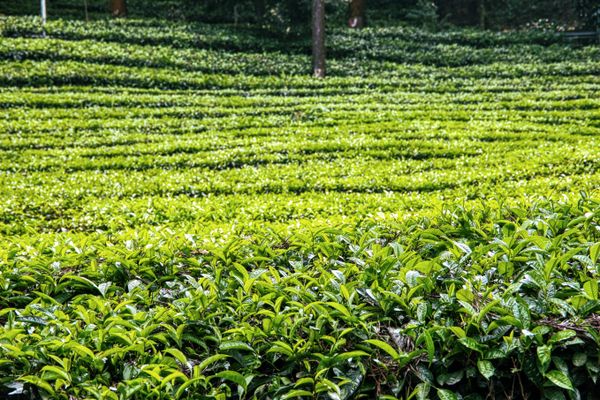
- Continue to Dibrugarh — the tea capital of Assam, with lush tea gardens throughout the town
- Overnight at a heritage tea bungalow in Dibrugarh
- Early breakfast; set off for the northern state of Northeast India — Arunachal Pradesh
- The drive crosses the newly opened Bogibeel Bridge — the longest rail-cum-road bridge in India — crossing the mighty Brahmaputra River
- Arrive at Ziro — the "Sequestered Paradise" of Arunachal, located at 1,500 m
- Ziro's hills are beautifully covered with bamboo and pine trees, surrounded by paddy fields
- Home to the friendly Apatani tribe — women of this tribe used to practise facial tattooing, believing they were so beautiful that they needed to be marked to prevent men from other tribes stealing them away
- Overnight at a lodge in Ziro
- Spend the day visiting Apatani villages — Hong, Dutta & Hari
- See houses of the Apatani adjoining each other; interact with locals, especially the tattooed elders who still live a very traditional life
- Visit the Apatani farms and the local market — learn about Apatani culture, customs, eating habits, attires, and ornaments
- Overnight at the lodge in Ziro
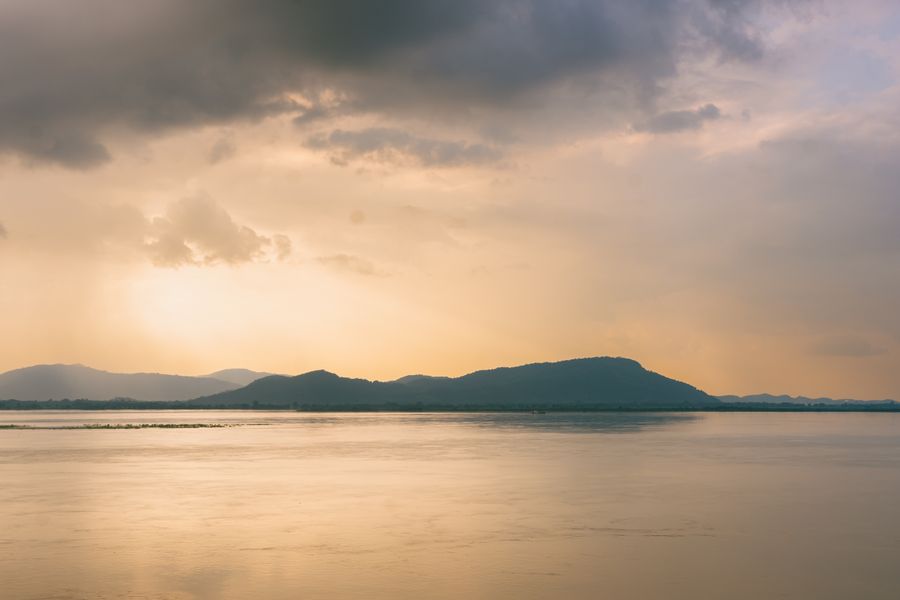
- Head towards Majuli — assumed to be the largest river island in the world and the cultural capital of Assam since the 16th century
- Use a ferry to cross a short stretch of the Brahmaputra River and reach the island
- Majuli is formed by the Brahmaputra in the south and the Kherkutia Xuti joined by the Subansiri in the north. Originally 1,256 sq km in 1991, now reduced to 875 sq km due to erosion.
- Majuli has 22 Vaishnava Satras (monasteries), the first established in the 15th century by Sankaradeva, the father of Assamese culture
- Overnight in a Chang Ghar — a traditional Mishing tribal house built on stilts
- Explore the island by visiting the Auniati Sattra and Uttar-Kamalabari Sattra (monasteries). Interact with the monks and visit the monks' quarters.
- Visit a Mishing tribal village — a major inhabitant of the island
- Visit a pottery-making village and mask-making village
- Optional: A cultural dance in Majuli can be arranged at Uttar Kamalabari Monastery.
- Overnight in Chang Ghar on Majuli
- Ferry ride from Majuli back to Jorhat
- Straight drive to Kaziranga National Park — a UNESCO World Heritage Site
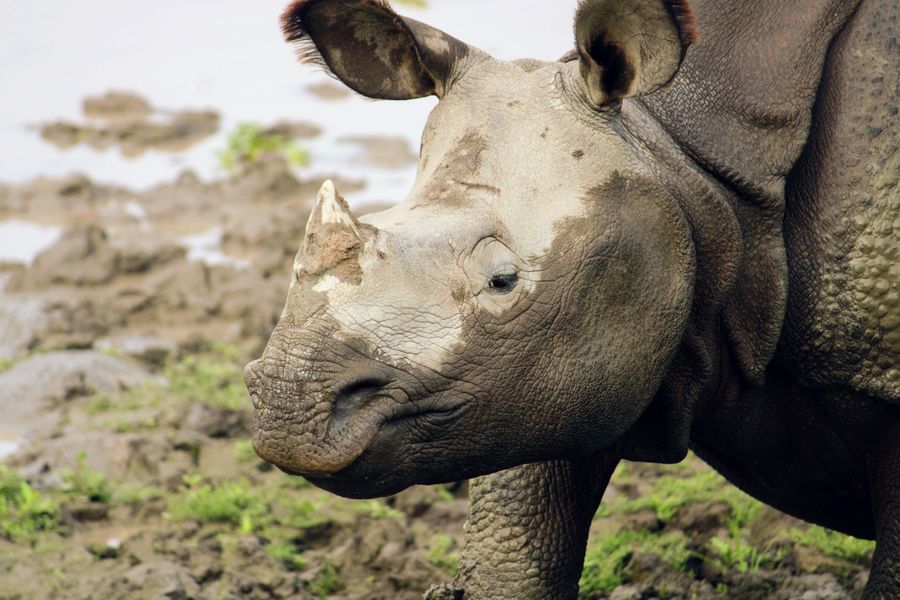
- Kaziranga is famous for the Great Indian one-horned rhinoceros, with landscapes of sheer forest, tall elephant grass, rugged reeds, marshes and shallow pools. Declared a National Park in 1974.
- Inhabited by the world's largest population of one-horned rhinos, as well as tigers, elephants, panthers, bears, and thousands of birds
- Overnight at a resort near Kaziranga
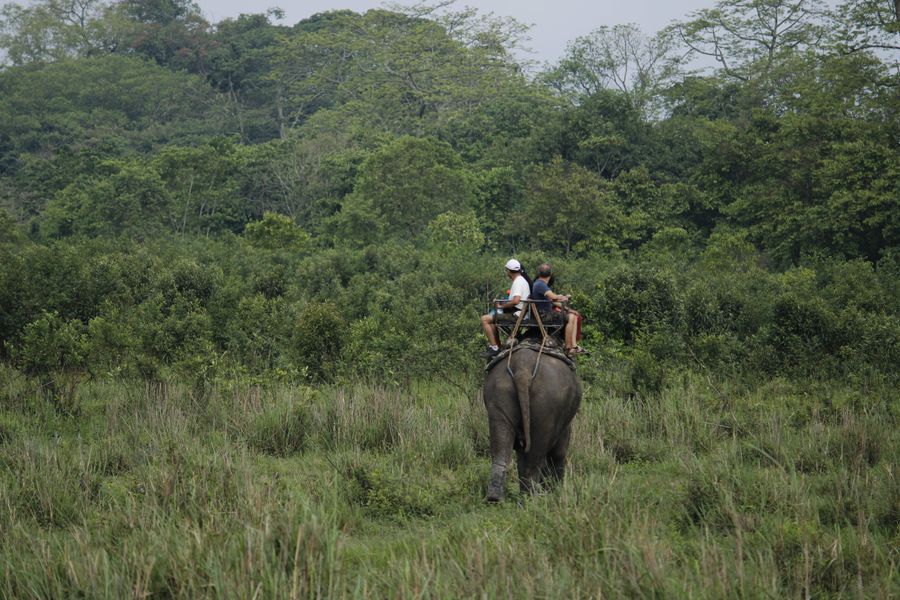
- Early morning elephant ride — the best way to behold the vigour and charm of the enchanting wildlife of the park
- Return to resort for breakfast
- Mid-morning: explore a village inhabited by the Mishing tribe and visit the Kaziranga Orchid Centre
- Optional: visit a local house for a cooking class of traditional Assamese dishes followed by a traditional lunch. Also visit another house to experience the way of life of an Assamese family.
- Afternoon: jeep safari in the western range of the park — the most preferred tourism zone, providing the opportunity for very close sightings of the one-horned rhino
- Evening: short cultural dance performance at the resort
- Overnight in Kaziranga
- Breakfast at the resort
- Set off towards Guwahati Airport to board your flight
- Tour ends. Carry the spirit of the Northeast home with you.
Nagaland: Foreign tourists visiting Nagaland must register with the Foreigner's Registration Officer (FRO) of the District they visit or the nearest Police Station within 24 hours of their arrival. While travelling by air via Dimapur airport, passport and India Visa will be verified on immigration checking. While travelling by surface, passport and India Visa will be verified at the check post. Guests are requested to carry multiple copies of Passport and India Visa during the tour, as the same is required at different check posts.
Arunachal Pradesh: Foreign tourists require a Protected Area Permit (PAP) for entry into Arunachal Pradesh. This can be arranged through your tour operator. You must provide copies of your passport and India visa at least 2 weeks prior to travel.