
This 15-night grand circuit is the definitive Northeast India experience, weaving through the breathtaking landscapes of Assam and Nagaland. Beginning in Guwahati, the journey travels through Tezpur's heritage tea estates and the erotic stone carvings of Madan Kamdev, then climbs into Arunachal Pradesh's Ziro Valley — home of the Apatani tribe with their unique facial tattoo traditions. Descend to Dibrugarh, Assam's tea capital, for Singpho tea heritage and the serene Namphake Buddhist Monastery. Cross into Nagaland's Mon district to meet the tattooed Konyak headhunters at the Indo-Myanmar border. Explore Jorhat's teagarden bungalows and the river island of Majuli. Journey through Mokokchung's Ao Naga villages, Wokha's monoliths, and conclude in Kohima with its poignant WWII cemetery and the green warrior village of Khonoma. An unparalleled journey into the heart of India's Northeast.
☕ Assam
- Gateway to the Northeast, sharing borders with Bangladesh & Bhutan
- World-famous for tea, Muga silk, petroleum & biodiversity
- 5 national parks & 18 wildlife sanctuaries — a biodiversity hotspot
- Rich in water resources, limestone, and natural gas — third-largest petroleum producer in India
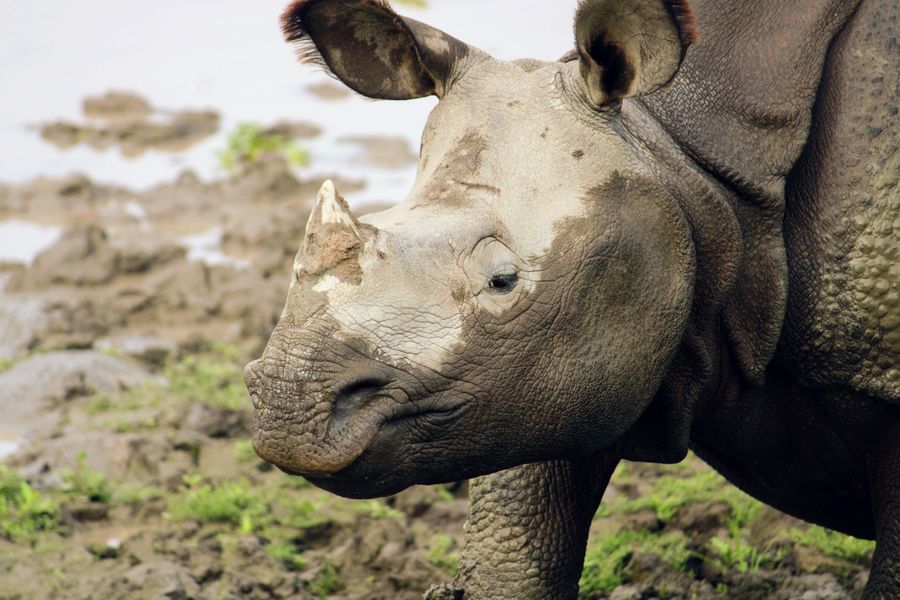
- Home to the mighty Brahmaputra River and the one-horned rhinoceros
🛡 Nagaland
- India's farthest east, flanked by Myanmar — the "Falcon Capital of the World"
- 650 indigenous species of medicinal & aromatic plants; 46 species of bamboo
- Home to 16 major tribes with rich rituals, rice traditions & vibrant festivals
- Resources: natural minerals, petroleum, hydropower, floriculture & horticulture
- The tattooed Konyak headhunters, Ao tribe's Moatsü festival, and Angami warrior legacy




- Arrive at Lokpriya Gopinath Bordoloi International Airport — meet your tour guide
- Transfer to hotel; short refreshment break
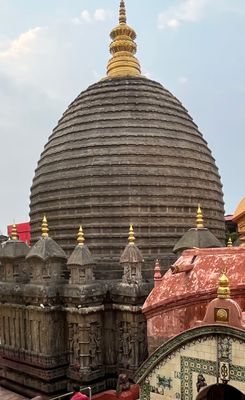
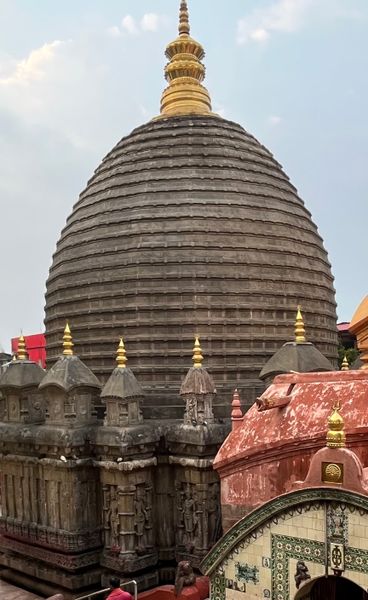
- Visit the most important Hindu pilgrim site — Kamakhya Temple, a majestic temple located on the Nilachal Hills. One of the oldest of the 51 Shakti Pithas.
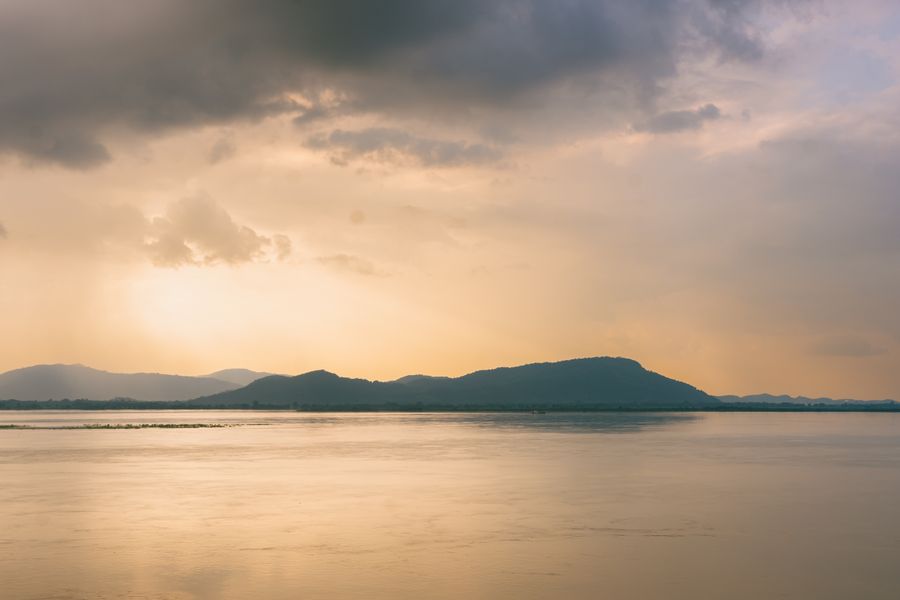
- The gateway to the Northeast and the largest cosmopolitan city in the region — Guwahati extends along the south bank of the mighty Brahmaputra River
- Overnight in Guwahati
- Breakfast; drive towards Tezpur — lying on the northeast bank of the Brahmaputra, slouched in lush green tea gardens and endless paddy fields
- En-route, visit the charming Sualkuchi weaver home — established around the 17th century by the great Ahom administrator Momai Tamuli Barbura. Silk weaving became the primary profession of the dwellers.
- Witness the rhythmic sound of looms and shuttles; see men and women working together on two indigenous silks — Muga Silk (naturally golden, becomes smoother with every wash) and Eri Silk (also known as 'Ahimsa Silk')
- Take a short detour to the ruins of the Madan Kamdev temple complex, whose erotic iconography has earned it the nickname "Khajuraho of Assam." Scattered across 500m are carved stones of dancing nymphs, gods, demons, griffins, and the ruined sanctum with a large stone idol of Shiva and Parvati in intimate embrace.
- Overnight at Wild Mahseer — a unique heritage property named after one of the toughest game fish, offering nostalgic colonial lifestyle in a cozy heritage bungalow where nature is your host.
- Breakfast; drive to Ziro — the "Sequestered Paradise" of Arunachal Pradesh, located at 1,500 m elevation
- Ziro has hills beautifully covered with bamboo and pine trees, surrounded by paddy fields
- Home to the friendly Apatani tribe — women of this tribe traditionally practised facial tattooing, believing that Apatani women were so beautiful they needed to be marked to prevent men from other tribes from stealing them away
- Overnight at Ziro Putu Homestay — located in Old Ziro Hillside overlooking mesmerizing paddy fields and community forests. Features a beautiful traditional kitchen with a fireplace in the centre for guests to relax beside a bonfire while enjoying ethnic tribal delicacies.
- Breakfast at homestay
- Spend the day visiting Apatani villages — Hong, Dutta & Hari
- See the houses of the Apatani adjoining each other; interact with the locals, especially the tattooed elders who still live a very traditional life
- Visit the Apatani farms and the local market — an informative experience about Apatani culture, customs, eating habits, attires and ornaments
- Overnight at Ziro Putu Homestay
- Breakfast; drive to Dibrugarh — the tea capital of Assam, with lush tea gardens spread throughout the town
- An ideal place to experience an overnight stay in a heritage tea bungalow
- Overnight at Mancotta Heritage Chang Bungalow — an iconic bungalow built on stilts (called "chang ghars" in the local dialect), showcasing colonial tea bungalow architecture. The majestic Rain Tree overlooking the residence gives an idea of the timelessness of the garden. A unique feature: no iron nails were used in its flooring — all nails are made of wood, handcrafted by traditional Chinese artisans.
- Breakfast; drive to Singpho village
- The Singpho are a small group residing in both Arunachal Pradesh and Assam. This tribe is central to the story of Assam Tea — in 1823, Scottish adventurer Robert Bruce noticed tea-like plants growing wild. Bruce was directed by Maniram Dewan and Bessa Gam, a local Singpho chief, and made an arrangement to receive samples. His brother Charles later had the wild tree declared as Camellia sinensis var. Assamica.
- Witness a Singpho tea demonstration session followed by a guided walk through the tea gardens
- Experience Singpho settlements, their food and culture — traditional lunch with Singpho tea included
- Return to Dibrugarh; overnight at Mancotta Heritage Chang Bungalow
- Breakfast; visit Namphake village — a pristine village by the side of the Buridihing River, one of the major tributaries of the Brahmaputra
- Major attraction: the Namphake Buddhist Monastery, one of the oldest monasteries of Assam
- The village is inhabited by the Tai-Phake community with about 72 households. Despite their small number, the dwellers are devoted to preserving their culture and tradition.
- The Tai Phakes migrated from Men Mau of South China, across Myanmar and the Pat Kai Hills, entering Assam in 1775 before settling in the Brahmaputra valley
- Return to Dibrugarh; overnight at Mancotta Heritage Chang Bungalow
- Breakfast; drive to our tribal destination of Nagaland — Mon
- The district of Mon is home to the Konyak Nagas, by far the largest of all the Naga tribes and the most recognizable for their tattoos
- Mon is located near the Indo-Myanmar border, reached via winding dust and gravel roads
- The tattooed Konyak, marked all over their face and hands, are famous for their muzzle-loading guns
- This divine place offers raw natural beauty — ideal for visiting the border village between India and Myanmar and encountering the descendants of the legendary head-hunters
- Overnight at Helsa Morung — a beautiful homestay designed along the theme of a Konyak habitat, run by a village head-woman. "Morung" means bachelor dorm in a Konyak tribal village; "Helsa" is an acronym of the names of the owner's children.
- Breakfast; drive to Longwah village in Mon district — one of the best places to see the unique diversity of the Naga people
- Located on the border of India and Myanmar — you do not need a Myanmar visa to visit this village
- Visit villages inhabited by the Konyak tribe
- The most fascinating feature: the Village Chief's house is located on the borderline of Indo-Myanmar, with the border passing through his house dividing it into two halves
- Longwa is a quiet and serene place with hospitable Naga people
- Return to Mon; overnight at Helsa Morung
- Breakfast; head to Jorhat — the "tea treasure house" of Assam. "Jor" means join and "hat" means market.
- Jorhat is also known for having the oldest golf course in Asia and the third oldest in the world
- Watching tea growing in vast expanse is a treat to the eyes. Walk through the gardens and witness workers plucking tea leaves, cleaning the gardens, and nurturing plants.
- These beautiful tea gardens are complemented by imperial bungalows built during the British era
- Overnight at Banyan Grove — a colonial building set in the heart of Gatoonga Tea Estate with over 100 years of history, exhibiting colonial decor with carpets and sylvan flooring
- Breakfast; cross the Brahmaputra River to reach Majuli — assumed to be the largest river island in the world and the cultural capital of Assam since the 16th century
- Majuli is formed by the Brahmaputra in the south and the Kherkutia Xuti joined by the Subansiri in the north. Originally 1,256 sq km in 1991, now reduced to 875 sq km due to erosion.
- A good learning centre for neo-Vaishnavite philosophy, there are 22 Vaishnava Satras in the city, the first established in the 15th century by Sankaradeva
- Explore the island visiting Auniati Sattra and Uttar-Kamalabari Sattra (monasteries). Interact with the monks and visit the monk's quarters.
- Visit a Mishing tribal village — a major inhabitant of the island — followed by a pottery-making village and mask-making village
- Optional: A cultural dance in Majuli can be arranged at Uttar Kamalabari Monastery.
- Return to Jorhat; overnight at Banyan Grove
- Breakfast; set off towards Mokokchung — the cultural capital of the Ao Nagas
- En-route, explore some villages inhabited by the Lotha Nagas
- The Ao tradition speaks of their origin from 'Longtrok' (six stones), from which emerged six persons who became the progenitors of the Aos. Their first settlement was Chungliyimti village.
- The word 'Ao' means 'going ones' or 'gone'. There are two divisions: the Mongsen and the Chungli, who speak different dialects and have minor differences in customs.
- The Ao celebrate two premier festivals: Moatsü (sowing festival, first week of May) marked by songs and dances, and Tsüngremmung (harvest festival, first week of August) — a time of thanksgiving for abundant blessings.
- Overnight at a hotel in Mokokchung
- Breakfast; drive to Wokha. There are small villages set atop the hills which pique any visitor's interest.
- See the Longzu, or monoliths, that were erected by wealthy ancestors as status symbols
- Time permitting, visit the Doyang River — note that taking pictures of the dam and surrounding areas may be prohibited by officials
- Overnight at a tourist lodge or tent in Wokha
- Breakfast; set off to the capital of Nagaland — Kohima, the land of the Angami Naga tribe
- Located at an average elevation of 1,261 m, the name "Kohima" was officially given by the British who could not pronounce the Angami name "Kewhima" (or Kewhira) meaning "the land where the flower Kewhi grows" — named after a wild flowering plant found in the mountains
- The town is located on the top of a high ridge, serpentining along the top of the mountain ranges as is typical of most Naga settlements
- Check into hotel; retire for the day; overnight in Kohima
- Breakfast; tour of Kohima
- Visit the 2nd World War Cemetery — constructed in memory of the officers and men who made supreme sacrifices during WWII. On each grave are beautiful epitaphs engraved in bronze. The famous inscription reads: "When You Go Home, Tell Them of Us and Say, For Your Tomorrow We Gave Our Today."
- Visit the Kohima State Museum — exhibiting the vibrant culture of Nagaland through fascinating arts and artifacts. (Closed on Monday and government holidays.)
- Alternatively, choose to visit Khonoma (20 km · 1 hr) — the first green village of Nagaland, estimated to be 700 years old, spread over 123 sq km with 600 households. Known for rich flora and fauna, and unique terranced cultivation. The nationally endangered pheasant 'Blyth's tragopan' is reportedly found here.
- Over a hundred years ago, the Angami men of Khonoma fought a resolute battle against the British, inflicting heavy casualties. Khonoma resisted British rule from 1830 to 1880. Today, the Angamis have made giant strides in natural resource management, biodiversity conservation and village administration.
- Overnight in Kohima
- Breakfast at hotel
- Check-out and transfer to Dimapur Airport for your onward flight
- Tour concludes. Carry the spirit of the Northeast home with you.
Arunachal Pradesh: Foreign tourists visiting Arunachal Pradesh require a Protected Area Permit (PAP). This can be obtained through a registered tour operator who will arrange the permit on your behalf. You need to provide copies of your passport and India visa at least 2 weeks before travel. The permit is checked at entry checkpoints.
Nagaland: Foreign tourists visiting Nagaland must register with the Foreigner's Registration Officer (FRO) of the District they visit or the nearest Police Station within 24 hours of their arrival. While travelling by air via Dimapur airport, passport and India Visa will be verified on immigration checking. While travelling by surface, passport and India Visa will be verified at the check post.
Important: Guests are requested to carry multiple copies of Passport and India Visa during the tour, as the same is required at different check posts in Nagaland and Arunachal Pradesh.