
This 10-night journey is the definitive exploration of Gujarat's royal, spiritual, and natural heritage. Begin in Vadodara, the cultural capital, and marvel at the Laxmi Vilas Palace — four times the size of Buckingham Palace. Travel to Bhavnagar and climb the sacred hill of Palitana, where 863 intricately carved Jain temples crown the Shatrunjaya peak — one of the most awe-inspiring religious sites on Earth. Discover the princely relics of Gondal, then journey into the heart of Kutch to explore Bhuj and the artisan villages of the Banni Grasslands — Hodka, Bhirandiyara, and Nirona — where the legendary Rogan art lives on. Stand in awe before the surreal white desert of the Rann of Kutch, then venture into the Little Rann — the only place on Earth where the endangered Indian Wild Ass still roams free. Trace Gujarat's architectural brilliance at Modhera Sun Temple and the magnificent Rani Ki Vav stepwell in Patan — both UNESCO World Heritage Sites. Conclude in Ahmedabad with Gandhi's Sabarmati Ashram, the intricate Adalaj Stepwell, and the resplendent Hutheesing Jain Temple.




✓ Included
- Hotel / palace accommodation as per package (10 nights)
- Daily breakfast at all hotels
- Private air-conditioned vehicle for all transfers & sightseeing
- Airport arrival & departure transfers at Vadodara / Ahmedabad
- Guide assistance for sightseeing as per itinerary
- Evening jeep safari at Little Rann of Kutch
- Village visits with craft demonstrations (Rogan art, embroidery)
- Driver allowance, parking, tolls & transport taxes
✗ Excluded
- Airfare to / from Vadodara / Ahmedabad
- Lunch, dinner & drinks unless mentioned
- Entry fees at palaces, temples, museums & parks
- Doli / Lift Chair at Palitana (direct payment basis)
- Camera fees, tips & personal expenses
- Travel insurance
- Anything not specifically mentioned in inclusions

- Upon arrival at Vadodara Airport (also known as Civil Airport Harni), you will be met by our representative and transferred to your pre-booked hotel
- Vadodara, formerly known as Baroda, is the third-largest city in Gujarat and its cultural capital — a city where Maratha royalty meets Gujarati enterprise
- Settle into your hotel and take the remainder of the day at leisure to unwind after your journey
- Evening: you may explore the local neighbourhood or enjoy dinner at one of Vadodara's renowned restaurants serving authentic Gujarati thali
- Overnight at the hotel
Laxmi Vilas Palace, the private residence of the Gaekwad royal family, is four times larger than Buckingham Palace. Built in the Indo-Saracenic architectural style and completed in 1890, the palace stands as a testament to the vision and wealth of Maharaja Sayajirao Gaekwad III — one of India's most progressive rulers, who introduced compulsory primary education and built a university, a museum, and a library that transformed Baroda into a cultural beacon.
- After breakfast, proceed for a guided sightseeing tour of Vadodara
- Laxmi Vilas Palace — the crown jewel of Vadodara. This private dwelling is four times bigger than Buckingham Palace, blending Indo-Saracenic architecture with modern facilities including elevators, a truly unique feature for a 19th-century palace. The palace remains the residence of the royal family of Vadodara
- Fateh Singh Museum — originally built in 1875 as the Motibaug School for Maharaja Sayajirao Gaekwad III. This beautiful building was converted into a museum in 1961, now housing a vast collection of art, sculptures, and personal belongings of the Gaekwad family, including works by Raja Ravi Varma
- The museum's architecture is a stunning example of Indo-Saracenic style with European influences
- Note: Driver assistance is provided for the remainder of the day (no guide services in the afternoon)
- You may explore Sayaji Baug (Kamati Baug) — one of the largest public gardens in India, or visit the Baroda Museum & Picture Gallery
- Overnight at the hotel
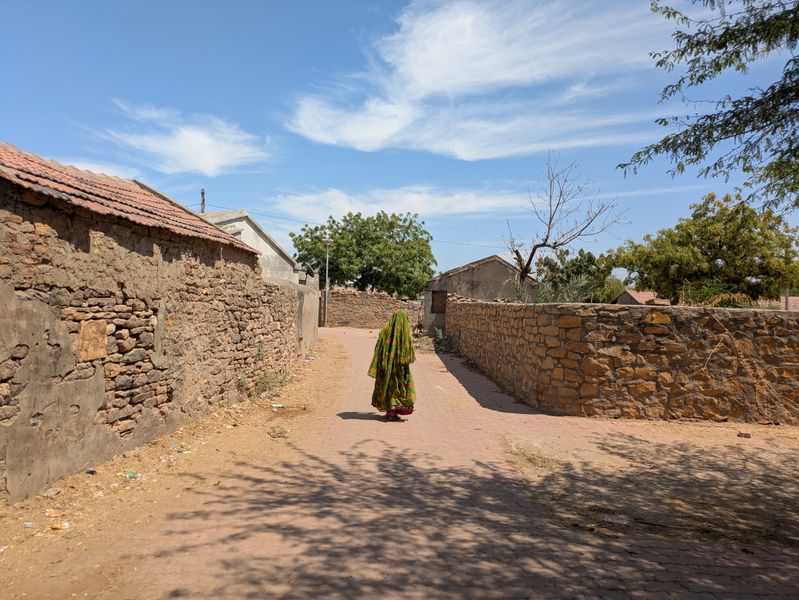
- After a hearty breakfast, check out and set off for Bhavnagar — a historic city founded in 1723 by Bhavsinhji Gohil
- The drive takes you through the Gujarat countryside — cotton fields, small villages, and expansive farmland
- Bhavnagar served as the capital of the princely state of Bhavnagar and sits on the western coast of the Gulf of Khambhat
- On arrival, check into your hotel
- Rest of the day at leisure to explore the city on your own — perhaps a walk along the lakeside promenade or a visit to the local bazaars
- Overnight at the hotel
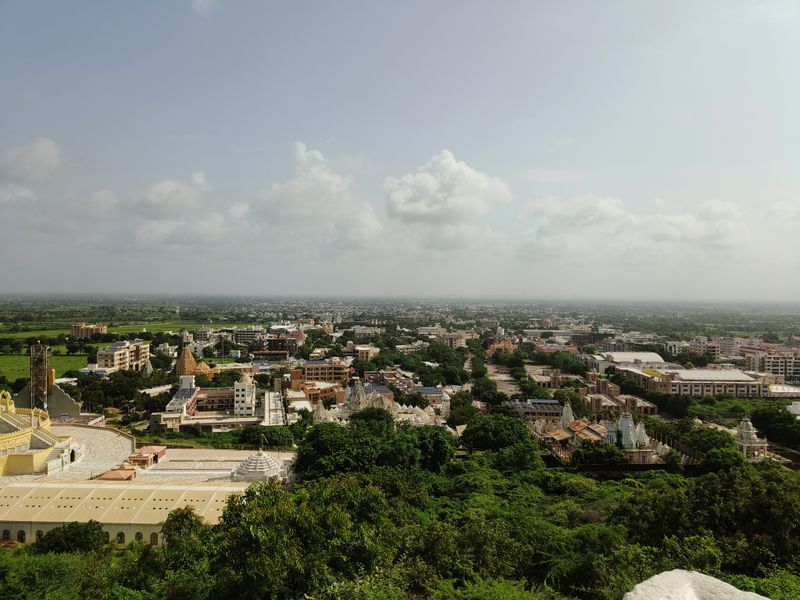
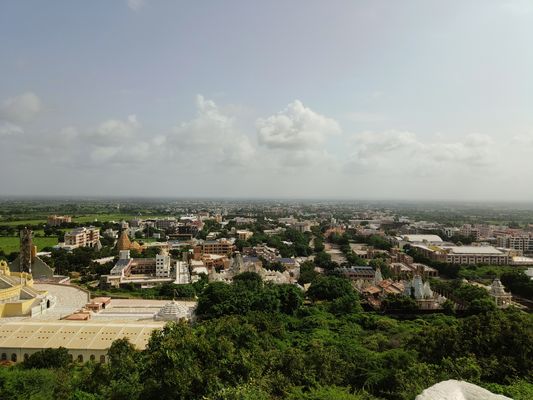
The Palitana temples, crowning the Shatrunjaya Hills, are among the most sacred pilgrimage sites in Jainism. The hill is crowned with 863 temples, each carved in exquisite white marble, rivaling one another in beauty and magnificence. The climb to the summit is a 3-km journey of over 3,500 steps, taking approximately 2–2.5 hours. For those unable to climb, dolis (palanquins) and a lift chair are available on direct payment. The sight of hundreds of marble temples gleaming against the sky at dawn is an experience you will carry forever.
- Early morning departure for Palitana — the sacred Jain pilgrimage town
- Begin your climb up Shatrunjaya Hills — a 3-km ascent of over 3,500 steps (approx. 2–2.5 hours)
- At the summit, explore the magnificent complex of 863 marble temples, each intricately carved with detailed motifs, beautiful idols, jeweled statues, and exquisite torans
- Main temples include the Adinath Temple — the largest and most ornate, built in 1618
- The temples are arranged in a series of courtyards called "tonks" (groups), each with its own main shrine and subsidiary temples
- Witness detailed carvings, beautiful idols and images, jeweled statues and intricate torans on each temple
- Note: Doli (palanquin) / Lift Chair are available and can be availed on direct payment basis
- After the visit, descend and drive back to Bhavnagar
- Overnight at the hotel
Gondal was founded by Bhakumbhaji in the 17th century and rose to prominence under the Jadeja Rajput rulers. The Naulakha Palace, the oldest palace in Gondal, was built in the 17th century and its magnificent architecture — with antique furniture, spiral stairways, chandelier-lit courtyards, and a museum housing the Maharaja's vintage classic car collection — offers a rare glimpse into the opulent life of Gujarat's royalty.
- Morning departure for Gondal, a princely town known for its palaces and vintage car collection
- On arrival, check into your hotel
- Afternoon visit Naulakha Palace — built in the 17th century by Bhakumbhaji, the founder of Gondal. Its magnificent architecture will leave you spellbound
- Explore the palace's antique furniture, spiral stairways, and chandelier-lit courtyard that transports you back to the royal period
- View the Vintage Classic Cars collection of the Maharaja of Gondal — including Rolls-Royces, Bentleys, and other rare automobiles
- Continue to Orchard Palace and Huzoor Palace for more royal relics and architectural splendor
- The palace also houses a museum with artifacts from the royal family
- Overnight at the hotel
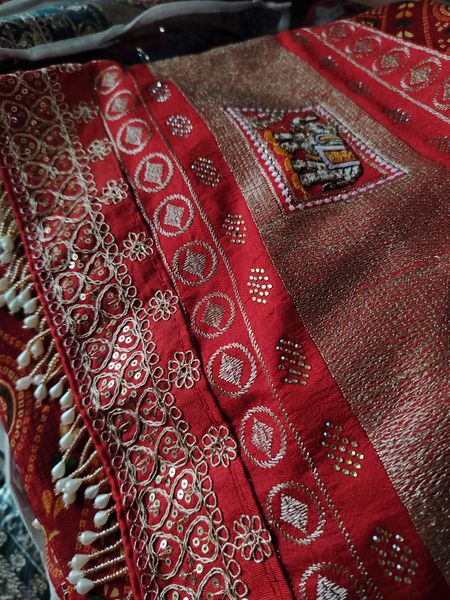
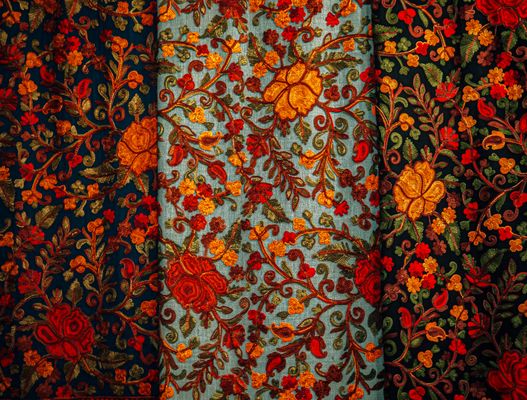
Bhuj, the heart of the Kutch region, was founded in 1510 by Rao Hamirji and named after the Bhujiyo Dungar (the Hill of Bhuj). The region is famous for its vibrant crafts — intricate embroidery, mirror work, silver jewellery, leather crafts, and the unique Rogan painting — an art form that dates back over 300 years and is now practiced by only a single family, the Khatris of Nirona village.
- After breakfast, drive to Bhuj — the historic capital of the Kutch region
- On arrival, check into your hotel
- Afternoon local sightseeing (time permitting):
- Aina Mahal — the "Palace of Mirrors," now a museum built under Rao Lakhpatji. The building bears the mark of its architect Ramsang Malam, who was influenced by European styles during his long stay in Holland. The palace features intricate mirror work, Venetian glass, and porcelain tiles
- Pragmal Palace — built in 1797 on the other side of Aina Mahal, displaying strong British influence through floral patterns on its tower and Corinthian pillars
- Kachchh Museum — established in 1877, the oldest museum in Gujarat. It has the largest collection of Kshatrapa inscriptions and displays textiles, armoury, gold and silver ornaments, and other regional exhibits
- Overnight at the hotel
The Banni Grasslands, nestled on the edge of the Great Rann, are home to some of India's most remarkable artisan communities. Each village in this region has its own specialty — from Rogan painting to leatherwork, mirror embroidery to silver jewellery. These crafts have been passed down through generations, and visiting these villages offers a rare chance to see masters at work in their traditional mud-bhunga homes.
- After breakfast, venture into the Banni Grasslands for a full-day exploration of artisan villages
- Hodka — a cultural village located on the edge of the Great Salt Desert, the Rann. Its name derives from the Gujarati word "Hodi" meaning Boat, as the shape of the Jheel resembles a boat. The village is famous for decorative mirrors, lamps, hand fans, wall hangings, leather, clay, wood, metal, mud work, and exquisite silver jewellery. Artisans sell their goods directly from their artistic mud huts (bhungas)
- Bhirandiyara — a favourite tea stop for locals and visitors alike on the road to Khavda. The village boasts a delicious sweet — fresh Maavo, a milk-based sweet best eaten hot. Most roadside stalls sell Maavo. The local Meghwal Community has exquisite embroideries and beautifully decorated, colourful mud bhungas. Artisan Mr. Arjan Vela (subject to availability) demonstrates lovely pieces of leatherwork
- Nirona — home to about six different crafts. Meet Mr. Abdul Gafur Khatri (subject to availability), who together with his five brothers belongs to the last family of Rogan Painters. Rogan Art involves using a metal stick and castor-oil-based colours to create intricate works of genius
- View a demonstration of Rogan painting — a mesmerising process that is sure to leave you in awe
- Return to Bhuj; overnight at the hotel
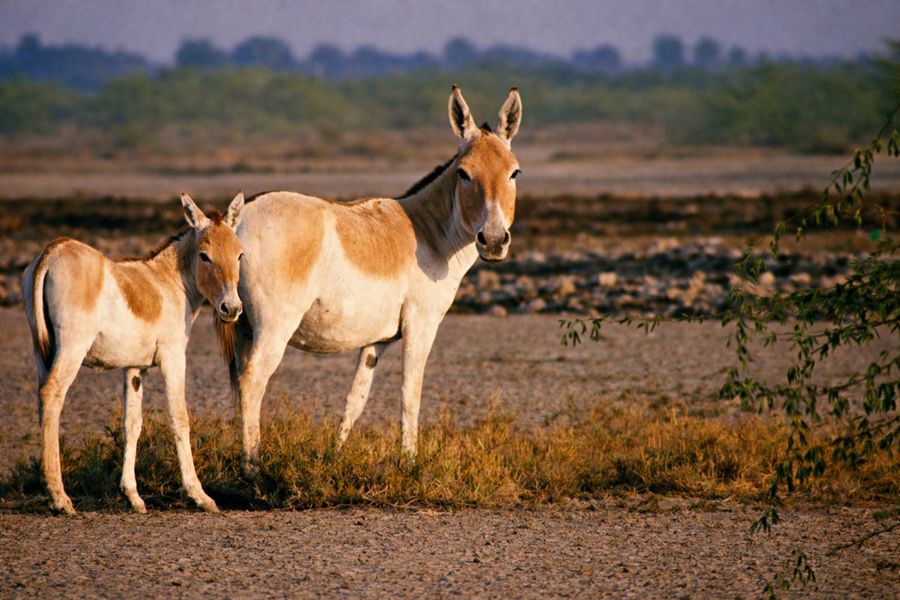
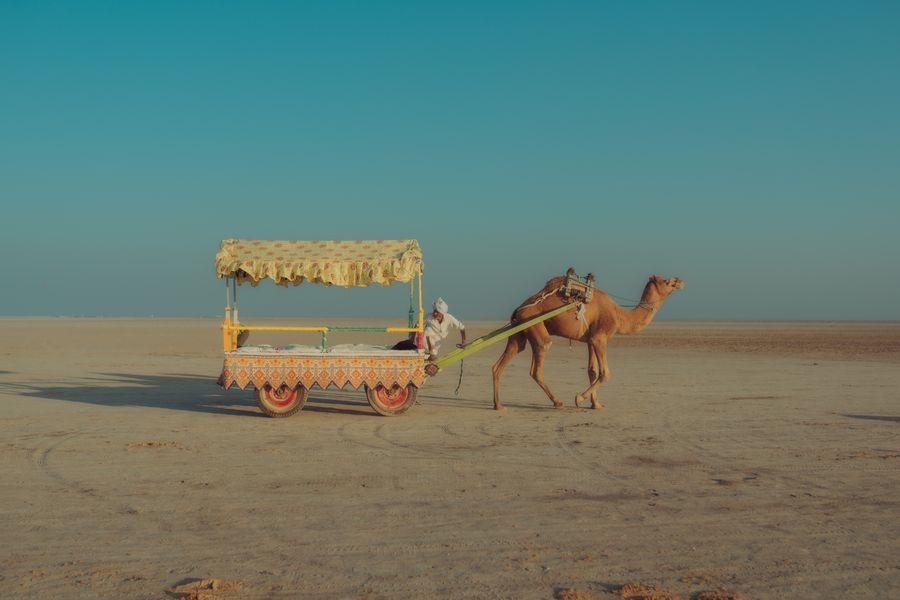
The Wild Ass Sanctuary of the Little Rann of Kutch, sprawling across nearly 5,000 square kilometres, is the only place on Earth where the endangered Indian Wild Ass (Equus hemionus khur), known locally as the ghudkhar, still lives. The only other two subspecies of wild asses live in the high arid plateaus of Tibet, making this the most accessible place to visit wild asses in their natural habitat. Standing more than a meter tall at the shoulder and two meters in length, these agile animals can run at 50 km/h — more like wild horses than their domesticated cousins.
- After breakfast, check out from Bhuj and drive to Bajana — the gateway to the Little Rann of Kutch
- The drive crosses the vast Kutch landscape, passing villages and the unique desert terrain
- On arrival, check into your resort
- Late afternoon: Evening jeep safari into the Little Rann of Kutch
- Spot the endangered Indian Wild Ass (ghudkhar) — a unique species found nowhere else on Earth
- Also look for flamingos, cranes, pelicans, desert foxes, and blue bulls (nilgai) as the golden sun sets over the vast salt flats
- The stark white desert landscape, dotted with wildlife and reflecting the setting sun, creates an unforgettable spectacle
- Return to resort; overnight at the hotel

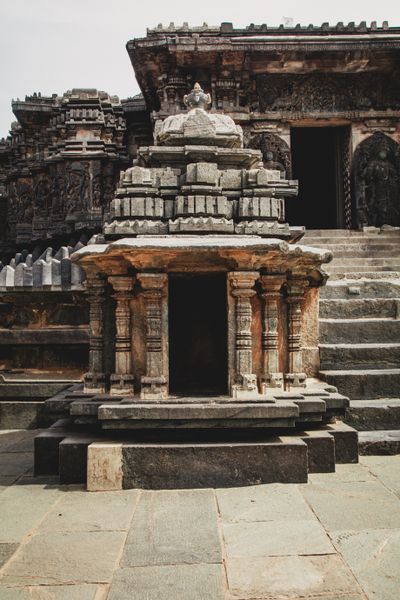
The Sun Temple at Modhera, built in 1026 AD by King Bhima I of the Solanki dynasty, is one of the finest examples of Indian temple architecture. Dedicated to Surya, the Sun God, the temple stands on a high plinth overlooking a deep stone-stepped tank — the Surya Kund. Every inch of the edifice, inside and out, is magnificently carved with gods and goddesses, birds, beasts, and flowers. Though no worship is offered here today, its weathered golden-brown stone still radiates overpowering grandeur. At Patan, Rani Ki Vav — the oldest and grandest stepwell in Gujarat — was built between 1022 and 1063 AD by the widowed queen Udayamati. It is a UNESCO World Heritage Site and a masterpiece of Maru-Gurjara architecture.
- Morning departure from Bajana, en-route to Ahmedabad
- Modhera Sun Temple — built in 1026 AD, this temple is dedicated to the Sun God, Surya. The first view is breathtaking: the pillared portico of the sabhamandap reflected in the massive tank. The temple has a sanctum, pradakshina patha (circumambulatory path), and a sabha mandap (assembly hall). The exterior features many carved images of the Sun God portrayed wearing a belt and long boots. The mandapa has beautifully carved pillars with exquisite toranas adorning the entrance
- Patan: Visit Rani Ki Vav — the oldest and grandest stepwell in Gujarat, a UNESCO World Heritage Site. Built between 1022–1063 AD, this seven-story stepwell is intricately carved with more than 500 principal sculptures and over a thousand minor ones, depicting Vishnu avatars, goddesses, and celestial beings
- Patan is also famous for Patola silk sarees — produced using the characteristic double-ikat technique. You may visit a weaving centre if time permits
- Later proceed to Ahmedabad; on arrival check into hotel
- Overnight at the hotel
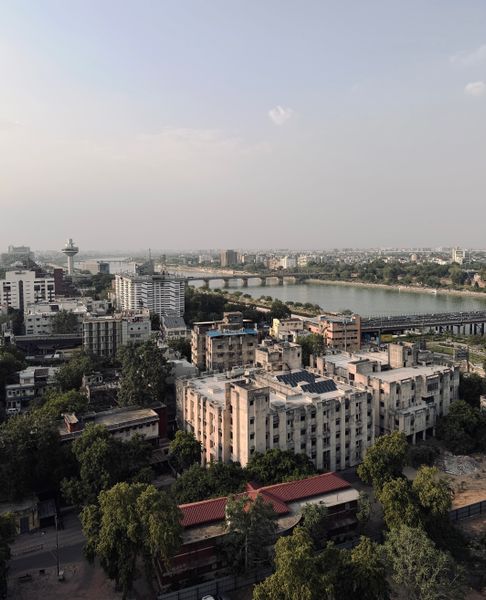
Ahmedabad, founded in 1411 by Sultan Ahmed Shah on the banks of the Sabarmati River, is India's first UNESCO World Heritage City. From the peaceful ashram where Gandhi launched the Dandi March to the intricate Jain temples and the finest stepwell architecture, Ahmedabad weaves together centuries of Gujarati history, spirituality, and craftsmanship in one captivating tapestry.
- Morning sightseeing tour of Ahmedabad:
- Sabarmati Ashram (Gandhi Ashram) — also known as Harijan Ashram or Satyagraha Ashram. Located on the banks of the Sabarmati River, this was the residence of Mahatma Gandhi from 1917 to 1930. It was from here that Gandhi launched the historic Dandi March on 12 March 1930. The ashram features a museum (Gandhi Smarak Sangrahalaya) with photographs, documents, and personal belongings of the Mahatma
- Hutheesing Jain Temple — a very famous Jain temple named after its founder Seth Hathee Singh, a prosperous Jain merchant. Built in dedication to the 15th Jain Tirthankara, Dharmnath, the temple is known for its fabulous architectural styling — intricate carvings, exquisite marble work, and a stunning pillared hall
- Adalaj Stepwell — built in 1499 AD by Queen Rudabai. This five-story stepwell, or vav as it is called in Gujarati, is intricately carved with designs on its walls and pillars including leaves, flowers, birds, fish, and breathtaking ornamental patterns. The octagonal structure is a masterpiece of Solanki and Islamic architectural fusion
- Afternoon at leisure for shopping or exploring the historic walled city of Ahmedabad — a maze of narrow lanes, traditional pol houses, and vibrant bazaars
- Overnight at the hotel
- After breakfast, check out from the hotel
- In-time transfer from hotel to Sardar Vallabhbhai Patel International Airport (Ahmedabad) to connect your onward destination flight back home
- Tour concludes. Carry with you the memory of marble temples gleaming on a sacred hill, the devotion of Palitana, the white silence of the Rann, the scent of spices from Kutch's villages, the gentle wisdom of Gandhi's ashram, and the warmth of Gujarat's timeless hospitality.