
This 8-night journey is a rare and intimate encounter with Gujarat's tribal soul. Unlike conventional tours, this itinerary is crafted for those who seek authentic cultural immersion — stepping into the vibrant world of the Rathwa, Nayak, Bhil, Rabari, Garasia, Gowala, and Banjara communities. Begin in Ahmedabad with a foundation in Gujarat's tribal arts at the Tribal Museum and Shreyas Folk Museum. Journey to Jambughoda, gateway to the forested tribal belt, with an en-route visit to the magnificent UNESCO World Heritage Site of Champaner-Pavagadh. Explore Chhota Udepur — considered one of the most primitive tribal belts in Gujarat — where the Rathwa and Nayak tribes adorn their mud-walled homes with the legendary Pithora wall paintings, a ritualistic art form invoking the gods for prosperity. Travel to Dasada on the edge of the Little Rann of Kutch, visiting the magnificent Rani Ki Vav stepwell and Modhera Sun Temple en route. Here, witness the intricate Patola silk weaving by the Salvi family, the last keepers of this 600-year-old double-ikat tradition. Safari through the salt desert in search of the endangered Indian Wild Ass and visit villages of the nomadic Rabari and Banjara tribes. Continue to Balaram Palace, a heritage retreat on the Gujarat-Rajasthan border, to explore the Garacia and Gowala tribal villages in the forested hills. Conclude at Poshina, a vibrant centre of Bhil and Garasia tribal culture, where a shrine adorned with thousands of terracotta horses stands as a testament to living folk traditions.





| Tribe | Region | Known For | Lifestyle |
|---|---|---|---|
| Rathwa | Chhota Udepur | Pithora wall paintings — a ritual art form invoking the gods for protection and prosperity, painted inside mud-walled homes during weddings and harvests | Settled agriculturists, living in close-knit kinship groups in forest-fringed villages |
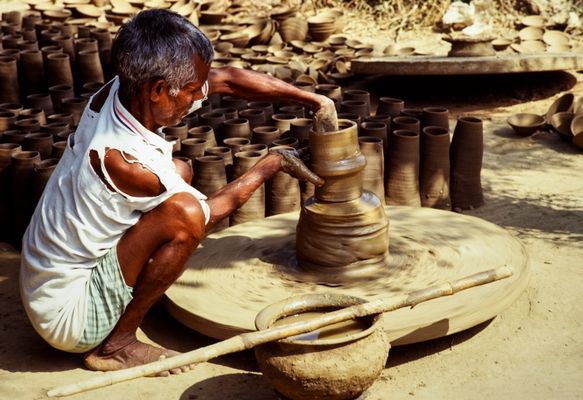
| Nayak | Chhota Udepur | Pottery making, folk music, and vibrant weekly markets (haat) where their distinctive crafts are traded alongside cattle and produce | Semi-settled; many still practice slash-and-burn agriculture alongside pottery |
| Bhil | Poshina, North Gujarat | One of India's largest tribal communities — known for Ghoomar dance, distinctive tattoos, and shrines adorned with thousands of terracotta horses offered to local deities | Traditionally hunter-gatherers, now settled as small farmers and labourers |
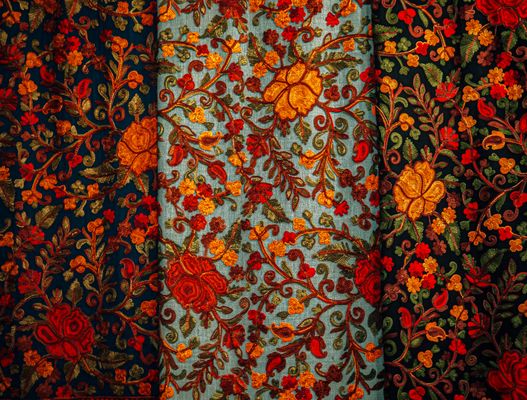
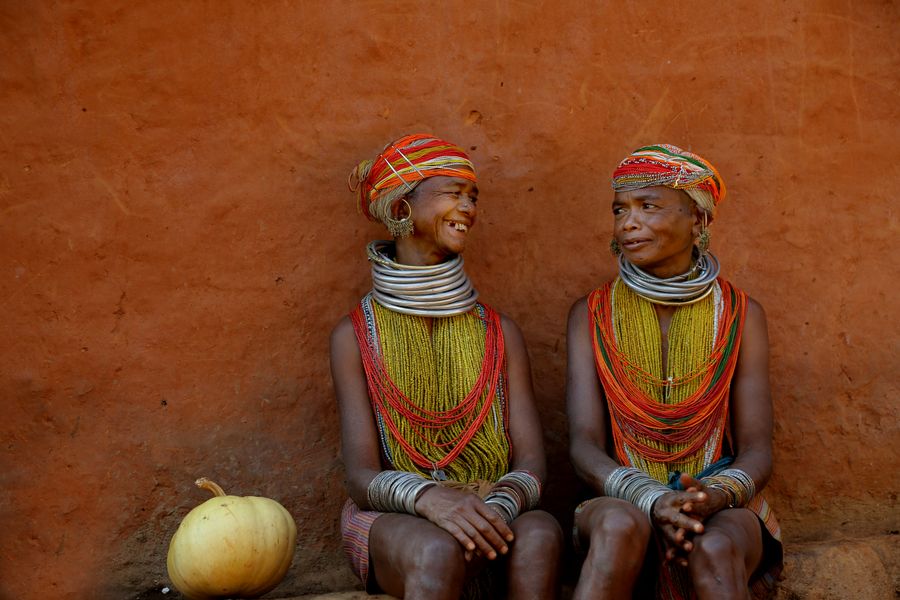
| Rabari | Little Rann of Kutch | Exquisite mirror-work embroidery on black and red fabric, distinctive silver jewellery, nomadic lifestyle as cattle and camel herders across the salt desert | Traditionally nomadic; the most widely travelled of Gujarat's tribes, moving herds across seasonal grazing lands |
| Garasia | Balaram, Gujarat-Rajasthan border | Semi-nomadic sheepherders — their woven blankets and woollen crafts reflect a life shaped by the rhythms of seasonal migration through forested hills | Semi-nomadic pastoralists; live in small, scattered hamlets called faliyas |
| Gowala | Balaram, North Gujarat | Settled agro-pastoralists — cattle herders who cultivate small plots while maintaining large herds. Their lifestyle offers a fascinating contrast to the neighbouring nomadic Garasia | Settled; combine cattle herding with small-scale agriculture |
| Banjara | Dasada, Little Rann region | Known as "gypsies of India" — traditionally nomadic traders and salt merchants. Colourful attire, intricate beadwork embroidery, and a fiercely independent community identity | Traditionally nomadic traders; many now settled in permanent villages near the Rann |
✓ Included
- Hotel / heritage resort accommodation as per package (8 nights)
- Daily breakfast at all hotels
- Private air-conditioned vehicle for all transfers & sightseeing
- Airport arrival & departure transfers at Ahmedabad
- Guide / tribal interpreter assistance for village visits
- Morning jeep safari at Little Rann of Kutch
- Cultural performances and craft demonstrations as per itinerary
- Driver allowance, parking, tolls & transport taxes
✗ Excluded
- Airfare to / from Ahmedabad
- Lunch, dinner & drinks unless mentioned
- Entry fees at museums, monuments, temples & parks
- Tribal craft purchases directly from artisans
- Camera fees, tips & personal expenses
- Travel insurance
- Anything not specifically mentioned in inclusions
- Arrive at Sardar Vallabhbhai Patel International Airport in Ahmedabad and transfer to your hotel
- Afternoon visit the Tribal Museum — a fascinating introduction to Gujarat's diverse tribal communities through carefully curated exhibits of artefacts, costumes, tools, musical instruments, and ritual objects from the Rathwa, Bhil, Rabari, Garasia, and other communities
- Continue to the Shreyas Folk Museum — an open-air museum showcasing an extraordinary collection of folk art, textiles, embroidery, jewellery, and household objects from across Gujarat's rural and tribal belts
- These museums provide essential context for the journey ahead, deepening your understanding of the cultures you will encounter
- Evening at leisure to explore Ahmedabad's vibrant food scene or the historic Sidi Saiyyed Mosque with its famous latticework windows
- Overnight at the hotel

Champaner-Pavagadh, a UNESCO World Heritage Site, was the capital of Sultan Mahmud Begada in the 15th century. Nestled in the Panchmahal hills, this archaeological park preserves an extraordinary fusion of Hindu and Islamic architecture — stepwells, mosques, tombs, and palaces carved from the volcanic rock of Pavagadh Hill. It stands as one of India's least-visited UNESCO sites, offering a haunting, serene beauty.
- After breakfast, check out and drive towards Jambughoda
- En-route, explore Champaner-Pavagadh Archaeological Park (UNESCO World Heritage Site):
- Jama Masjid — one of the finest mosques in western India, built in 1523 with a remarkable fusion of Hindu and Islamic architectural elements
- Stepwells of Champaner — intricate multi-storeyed structures that served as both water reservoirs and cool retreats
- Pavagadh Hill — rising 800 metres above the plains, topped with the ancient Kali Mata Temple, a major pilgrimage site for Bhil and other tribal communities who have considered the hill sacred for centuries
- Continue to Jambughoda, a former princely state surrounded by teak forests and tribal villages
- Check into your accommodation; settle in and enjoy the forested surroundings
- Overnight at Jambughoda
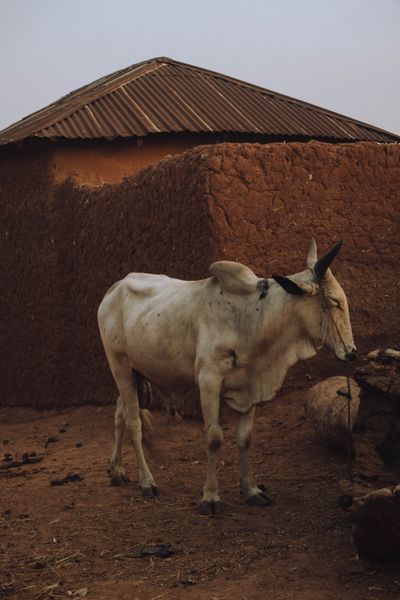
Chhota Udepur is considered one of the most primitive tribal belts in Gujarat, home to the Rathwa and Nayak communities. The Rathwa are famous for Pithora paintings — intricate ritual wall murals created using natural colours on the mud walls of their homes. These paintings depict horses, gods, and scenes from daily life, and are created during weddings, harvest festivals, and other auspicious occasions as offerings to the deities for protection and prosperity.
- Morning drive to Chhota Udepur — a historic town and former princely state
- Explore Rathwa and Nayak tribal villages in the surrounding area
- Visit homes adorned with Pithora wall paintings — a ritual art form created with natural pigments. The central motif is typically a white horse (ghoda) representing the family's protector deity
- Learn about the Pithora ritual — a sacred ceremony performed by the Badwa (tribal priest) during which the painting is created to invoke blessings and ward off evil
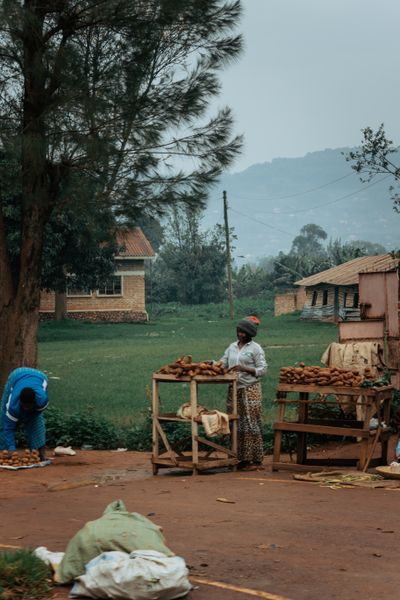
- Weekly tribal market (haat) — if your visit coincides, you can experience the vibrant weekly bazaar where Rathwa and Nayak villagers trade vegetables, grains, pottery, livestock, and handcrafted items. The market is a kaleidoscope of colour and community life
- Visit a pottery-making hamlet where traditional techniques have been passed down through generations
- Return to Jambughoda for the second night
- Overnight at Jambughoda
- After breakfast, check out from Jambughoda and drive towards Dasada
- En-route, visit Patan:
- Rani Ki Vav — the queen of stepwells, a UNESCO World Heritage Site. Built between 1022–1063 AD by Queen Udayamati, this seven-story architectural marvel descends 27 metres into the earth. Over 500 principal sculptures and over a thousand minor ones adorn its walls, depicting Vishnu avatars, goddesses, apsaras, and celestial beings
- Visit the Patola weaving centre — witness the legendary double-ikat Patola silk weaving by the Salvi family, the last keepers of this 600-year-old tradition. Each Patola saree takes months to create, with threads dyed individually before being woven into intricate geometric and floral patterns
- Continue to Modhera Sun Temple — built in 1026 AD by King Bhima I of the Solanki dynasty. The temple is aligned so that the first rays of the sun illuminate the sanctum on the equinoxes. The Surya Kund — a massive stepped tank — reflects the pillared mandapa, creating a breathtaking vista
- Arrive at Dasada in the evening; check into your resort on the edge of the Little Rann
- Overnight at Dasada
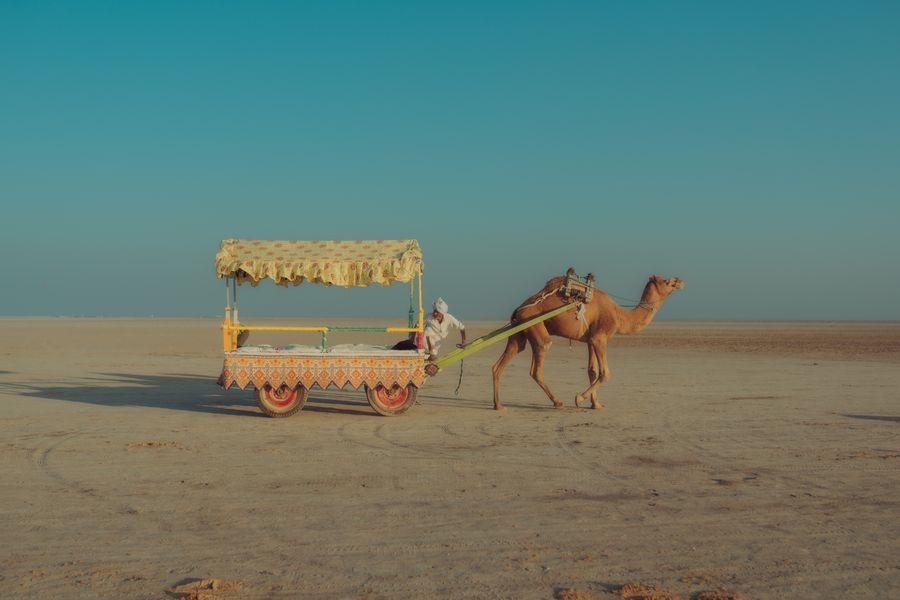
The Rabari are arguably the most nomadic of Gujarat's tribal communities — cattle and camel herders who have traversed the seasonal grazing lands of Kutch and Saurashtra for centuries. The women are renowned for their exquisite mirror-work embroidery (bharat) on black and red fabrics, their heavy silver jewellery, and their distinctive, elaborately adorned head coverings (odhni). The Banjara, often called the "gypsies of India," were traditionally salt traders across the Rann.
- Early morning: jeep safari into the Little Rann of Kutch — the vast salt desert that stretches to the horizon under an enormous sky
- Spot the endangered Indian Wild Ass (ghudkhar) — found nowhere else on Earth. Also look for flamingos, cranes, pelicans, desert foxes, and blue bulls (nilgai)
- The stark white landscape, shimmering in the morning light, creates a surreal, otherworldly atmosphere
- Return to resort for breakfast
- Mid-morning: visit Rabari tribal villages around Dasada — meet the women known for their stunning mirror-work embroidery, heavy silver anklets, and deeply traditional way of life
- Learn about the Rabari's nomadic heritage — how they move their herds of camels, cattle, goats, and sheep across the seasonal grazing lands of the Rann
- Banjara settlements — visit these former nomadic traders to see their distinctive beadwork and colourful attire
- Explore the bird-rich wetlands and salt pans that fringe the Little Rann
- Return to resort; overnight at Dasada
- After breakfast, check out from Dasada and drive north towards Balaram
- En-route, a second stop at Patan if any sights were missed, or explore the Patan Bazaar for Patola silk sarees, bandhani textiles, and traditional Gujarati crafts
- The drive takes you through the changing landscape of northern Gujarat — from the salt flats to fertile agricultural plains, and finally into the forested hills bordering Rajasthan
- Arrive at Balaram and check into the magnificent Balaram Palace — a beautifully restored heritage palace that once served as the summer residence of the Maharaja of Palanpur
- Evening: enjoy a cultural performance of tribal dance (on request) — featuring traditional Bhil or Garasia folk dances accompanied by haunting melodies on the Pavri (double-flute) and Dhol (drum)
- Overnight at Balaram Palace
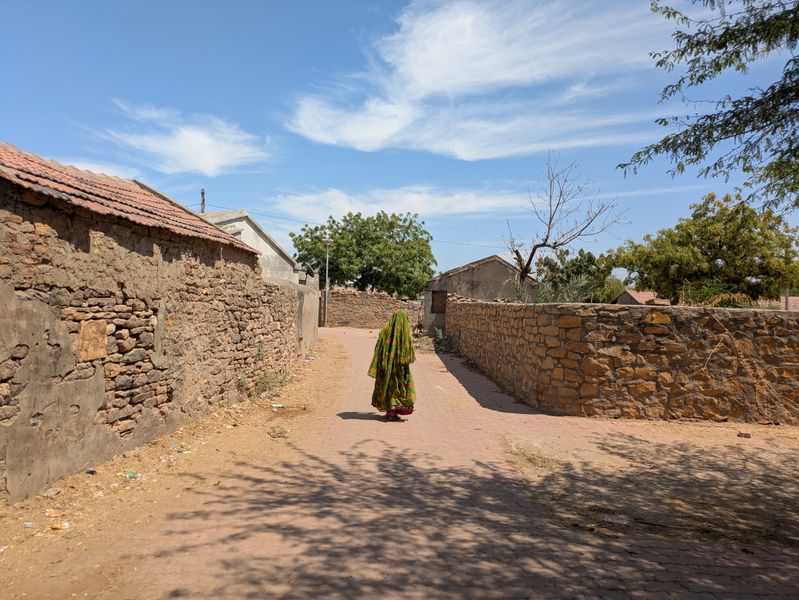
The Garacia are a semi-nomadic pastoral community who move with their flocks of sheep and goats between the hills of Gujarat and Rajasthan. Their hamlets (faliyas) are small and temporary — clusters of mud-and-thatch huts designed for easy abandonment when it is time to move. The Gowala, in contrast, are settled agro-pastoralists who have cultivated the same land for generations, maintaining large herds of cattle alongside their fields. Visiting both communities on the same day offers a rare opportunity to witness the full spectrum of Gujarat's tribal pastoral traditions.
- After breakfast, set off into the forested hills to explore Garacia tribal villages
- Observe their semi-nomadic lifestyle — small hamlets (faliyas) of mud-and-thatch huts, woven blankets drying in the sun, and flocks of sheep being mustered by young herders
- Learn about the Garacia's seasonal migration patterns: where they move, why, and how their culture revolves around the rhythms of animal husbandry
- Visit Gowala tribal villages — settled in permanent homesteads, the Gowala maintain large cattle herds and cultivate small plots of millet, maize, and pulses
- The contrast between Garacia and Gowala lifestyles offers fascinating insight into how geography and history have shaped different adaptations within the same broader tribal landscape
- Interact with villagers, visit local shrines, and witness traditional crafts such as blanket weaving and rope-making
- Return to Balaram Palace for the evening; enjoy the palace grounds and sunset views over the hills
- Overnight at Balaram Palace

Poshina is a vibrant centre of Bhil and Garasia tribal culture, located in the hills of northern Gujarat near the Rajasthan border. The Bhil — one of India's largest tribal communities — have a rich tradition of worshipping local deities through offerings of terracotta horses at village shrines. These thousands of hand-moulded horses, arranged in rows under ancient trees, create one of the most visually arresting and spiritually powerful sights in all of Gujarat. The Bhil are also known for their distinctive tattoos, the graceful Ghoomar dance, and their deep knowledge of forest plants and wildlife.
- After breakfast, check out from Balaram and drive to Poshina
- The scenic route winds through the Aravalli foothills, passing through villages where women in colourful attire work in fields and children tend livestock
- On arrival, check into your accommodation
- Explore Bhil and Garasia tribal villages around Poshina:
- Visit the extraordinary tribal shrine (known as Than or Gaothan) adorned with hundreds of terracotta horses — a living folk tradition where devotees offer clay horses to local deities (Bhomiya and Mata) in fulfilment of vows
- See traditional pottery making — the Bhil and Garasia potters create both utilitarian vessels and the ritual terracotta horses that populate the village shrines
- Wander through narrow village lanes lined with mud-walled homes decorated with mirror-work, frescoes, and geometric patterns
- Visit the local haat (market) if timing allows
- Overnight at Poshina
- After a final breakfast in the tribal heartland, check out and drive back to Ahmedabad
- Transfer to Sardar Vallabhbhai Patel International Airport to connect your onward flight or train
- Tour concludes. Carry with you the memory of Pithora horses prancing on mud walls, the glint of Rabari mirrors under the Rann sun, the scent of teak forests at Jambughoda, the silent devotion of terracotta offerings at Poshina, and the enduring spirit of Gujarat's tribal communities whose traditions have weathered centuries of change.